Most quick lunch ideas fail because they ignore a simple truth. You don’t need another complicated recipe. You need a system that works on the days when meetings run late and your brain feels fried.
I’ve tested dozens of “fast” lunch approaches over the years, and the ones that stick share one thing: they rely on pantry backups and a five-minute assembly window, not fresh shopping trips.
This guide cuts through the noise. You’ll get honest pros and cons, clear guidance on what to buy (and what to skip), and practical advice from real kitchen testing. No hype. Just lunches that actually happen.
The 10-Minute Rule That Changed My Lunch Game
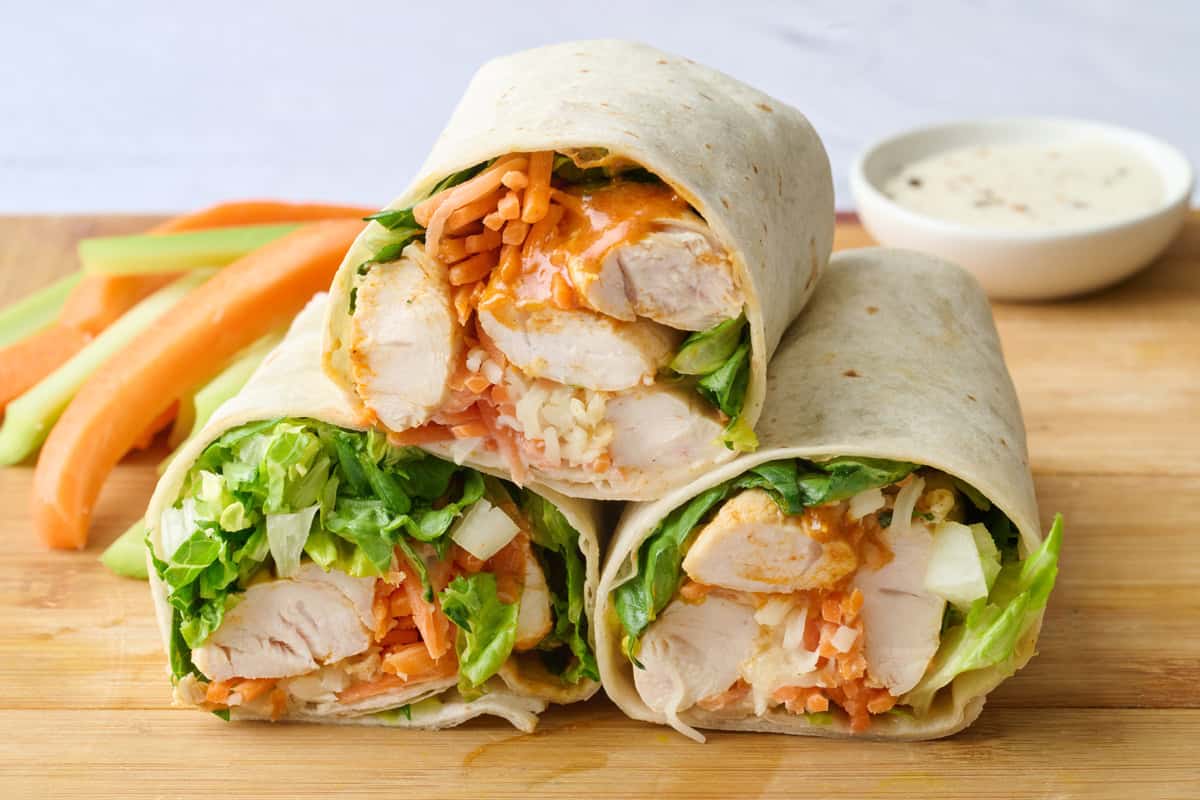
I used to believe quick meals meant sad desk salads or another granola bar. Then I timed myself making a proper lunch from scratch. Most “15-minute” recipes assumed I had pre-chopped vegetables and cooked grains waiting in the fridge.
Read Also: 15 Minute High Protein Low Carb Lunch Ideas for Busy Days
I didn’t. The fix was embarrassingly simple: keep one cooked grain, one canned protein, and one frozen vegetable on hand at all times.
A microwavable pouch of brown rice, a can of wild salmon, and a handful of frozen peas come together in about eight minutes. You dump the frozen peas in a bowl, microwave the rice, and mix everything with curry powder, olive oil, and vinegar.
The hot rice thaws the peas. The whole thing costs less than a takeout sandwich and keeps you full for hours.
The honest downside: Canned salmon has a stronger flavor than fresh. If you hate fish from a can, this won’t convert you. Use canned tuna packed in water instead, and add a squeeze of lemon to cut the fishiness.
What to Buy vs. What to Skip at the Grocery Store?
Most lunch failures start in the shopping cart. You buy hopeful ingredients fresh herbs, specialty cheeses, delicate greens and then Wednesday arrives and they’re slimy. I’ve wasted more money on optimistic produce than I care to admit.
Buy these instead: Frozen edamame, canned chickpeas, pouch rice or quinoa, jarred roasted red peppers, and pre-washed butter lettuce. These items wait patiently until you need them.
A half-cup of chickpeas adds fiber and protein to any salad or wrap without cooking . Frozen edamame thaws in cold water in five minutes and gives you a protein hit that actually tastes good cold.
Skip these: Pre-cut fruit (expensive and often less fresh), bagged salad kits (the dressing is usually sugary and the greens wilt fast), and “protein boxes” from the deli counter. You can build a better version at home for half the price using a hard-boiled egg, a handful of almonds, and some cheese.
Top 3 Nutritious Food for Lunch 2026
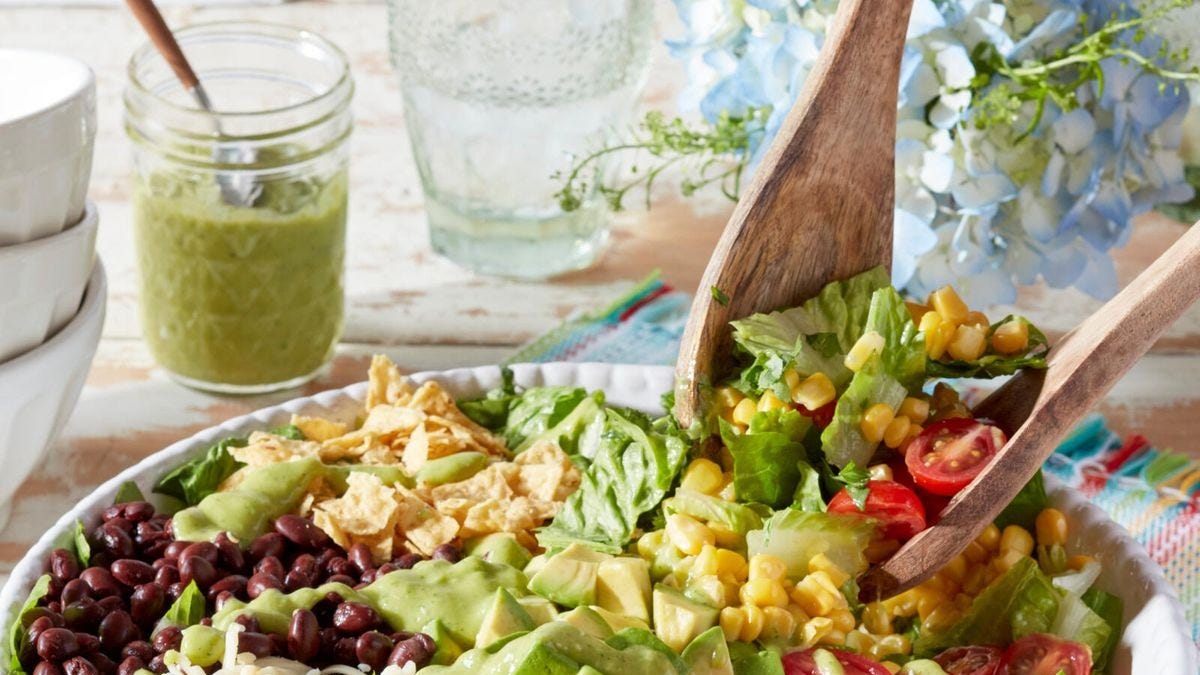
The Chickpea-Tuna Lettuce Wrap That Actually Satisfies
I tested this on a day when I had exactly twelve minutes between calls. Mash half a can of chickpeas with a fork. Mix in a can of drained tuna, two spoonfuls of Greek yogurt, a squeeze of lemon, and whatever crunchy vegetable you have celery, cucumber, even chopped pickles. Spoon it into lettuce leaves.
You Must Also Like: Chickpea Shawarma Lunch Bowl Meal Prep for Healthy Weekdays
What works: The chickpeas add creaminess without mayo and extra fiber that keeps you full. What doesn’t: Butter lettuce tears easily. Use romaine if you need something sturdier for transport. Pack the filling separately and assemble at work.
The White Bean Sandwich That Changed My Mind About Vegetarian Lunches
I’m not vegetarian. I thought a bean sandwich would leave me hungry by 2 p.m. I was wrong. Smash a can of white beans with a fork. Mix in mustard, a little mayo, chopped celery, and pickle relish. Spread it on toasted whole-wheat bread with cucumber ribbons and tomato slices.
The texture is the key. Leave the beans slightly chunky. If you blend them smooth, it tastes like paste. The crunch from cucumber and the tang from mustard make it feel like a real sandwich, not a compromise.
Best for: People who want a meat-free lunch that doesn’t feel like punishment. Not best for: Anyone who genuinely dislikes beans. No amount of mustard fixes that.
The Grain Bowl Formula (No Recipe Required)
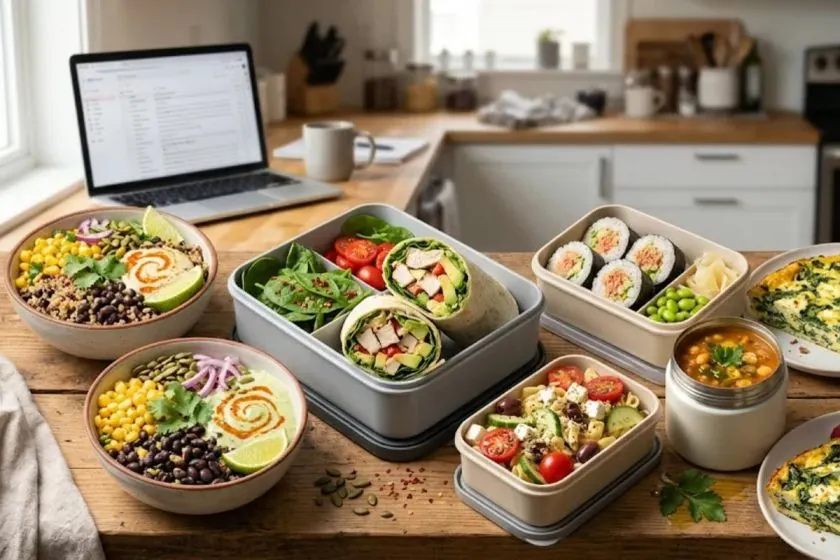
Forget exact measurements. Use this ratio: one part cooked grain, one part protein, two parts vegetables, and a sauce that takes thirty seconds to shake in a jar. Last week I used quinoa, leftover rotisserie chicken, roasted red peppers from a jar, and a dressing of olive oil, lemon juice, and Dijon.
The reason this works when other “bowl” recipes fail is flexibility. You don’t need the specific vegetables a recipe lists. Use what’s wilting in your fridge. The grain absorbs the dressing, the protein keeps you full, and the vegetables add volume without heaviness.
A safety note: If you’re packing this for later, keep the dressing separate. A dressed grain bowl turns soggy within two hours. Small jars work well for transport.
The Afternoon Crash Has Less to Do With Willpower Than You Think
You know the feeling. It’s 2:30 p.m., your eyes are heavy, and you’d trade your phone for a cookie. That crash isn’t a character flaw. It’s often a blood sugar spike and drop triggered by a lunch heavy on refined carbs and light on protein and fiber.
The fix isn’t eating less. It’s eating differently. A lunch with protein, fiber, and slow-digesting carbohydrates keeps energy steadier. That means adding a handful of chickpeas to your salad, choosing whole-grain bread over white, or pairing your sandwich with a side of edamame instead of chips.
I tested this on myself for two weeks. The days I had a bean-based lunch, I didn’t want a snack at 3 p.m. The days I grabbed a bagel, I was rummaging through the office candy bowl by mid-afternoon. The difference was measurable in my mood and focus.
Talk About Meal Prep (From Someone Who Hates It)
I don’t meal prep on Sundays. I’ve tried. By Wednesday, I’m bored of whatever I made and I order takeout anyway. What works better for me is what I call “component prep.”
I cook one pot of quinoa or rice. I hard-boil four eggs. I wash a head of lettuce and dry it well. I don’t assemble full meals. I prep ingredients that can go in different directions.
Monday might be a quinoa bowl with chicken and roasted peppers. Tuesday might be the same quinoa with chickpeas, cucumber, and a different dressing. Wednesday might be a lettuce wrap using the leftover chicken.
This approach takes about twenty minutes on Sunday and saves me from the sad-desk-lunch cycle without forcing me to eat the same exact meal four days in a row.
The limitation: This requires you to actually eat the components before they go bad. If you’re someone who forgets the fridge exists, a frozen backup meal is a smarter investment than fresh produce you’ll throw away.
The Final Thoughts
Start with one backup lunch you can make without thinking. Mine is the rice-salmon-peas bowl. Yours might be a bean sandwich or a chickpea salad. Master that one first. Then add a second.
The goal isn’t becoming a meal-prep influencer. It’s removing the decision fatigue that makes you order a $16 salad you didn’t really want.
Keep frozen vegetables. Keep canned beans and fish. Keep a grain you actually like. The rest is improvisation. And improvisation is a lot easier when you’re not starving.
Other Articles
Hot Chocolate with Superfoods