Most three-course meal guides give you recipes. That’s not the hard part. The hard part is timing. I’ve hosted enough dinners to know that a perfect risotto served forty minutes late feels worse than a simple roast chicken served on time.
These step by step instructions from appetizer to dessert focus on sequence, not just shopping lists. The goal is simple: you sit down with your guests instead of sweating in the kitchen while they make awkward small talk.
I’ve made the mistake of trying a new recipe on party day. I’ve also watched a friend serve a hot soufflé at 10 p.m. because she didn’t plan the appetizer main course dessert flow. This guide fixes that.
The One Rule That Saves Every Dinner Party

Do not cook everything the day of. I mean it.
A professional event planner named Lara Mahler told Martha Stewart that the worst pre-party stress comes from leaving everything to the last minute. She’s right.
Read Also: Step by Step Instructions From Appetizer to Dessert
The hosts who look calm are the ones who made the dessert yesterday and chopped the vegetables this morning. Here is the framework I use. It comes from a restaurant principle: mise en place. Everything in its place before service starts.
For a three-course meal, two of your courses should be fully or mostly done before guests arrive. The main course gets the fresh cooking. That’s it. If your appetizer needs last-minute frying and your dessert needs last-minute baking, you’ve designed a stressful night.
Step 1: Pick the Main Course First (Not the Appetizer)
Most people plan backwards. They find a cute appetizer on Pinterest, then a main, then a dessert. That’s a mistake.
The main course dictates everything else. A heavy beef short rib demands a light, acidic starter. A delicate fish wants a richer appetizer. If you serve cream soup before a cream pasta, your guests will feel awful by dessert.
A dinner party planner in New York told Better Homes & Gardens that she keeps things simple with one “wow” dish and balances the rest . Your main is the wow. The appetizer and dessert are support.
Practical example: Last month I made a braised chicken with olives and lemon. It was rich and salty. For the appetizer, I served small cucumber rounds with whipped feta and dill.
Cold, crunchy, bright. For dessert, a lemon posset with berries. Light. The whole meal felt balanced because I chose the supporting courses after locking in the main.
Step 2: Build a Simple Hot Appetizer That Doesn’t Need Your Attention
The prompt asks for simple hot appetizer recipes. Here is the honest truth about hot appetizers: most of them are traps. Anything fried must be served immediately. Anything wrapped in pastry demands oven space you may need for the main.
The best hot appetizers are the ones that go into the oven and finish while guests are still arriving.
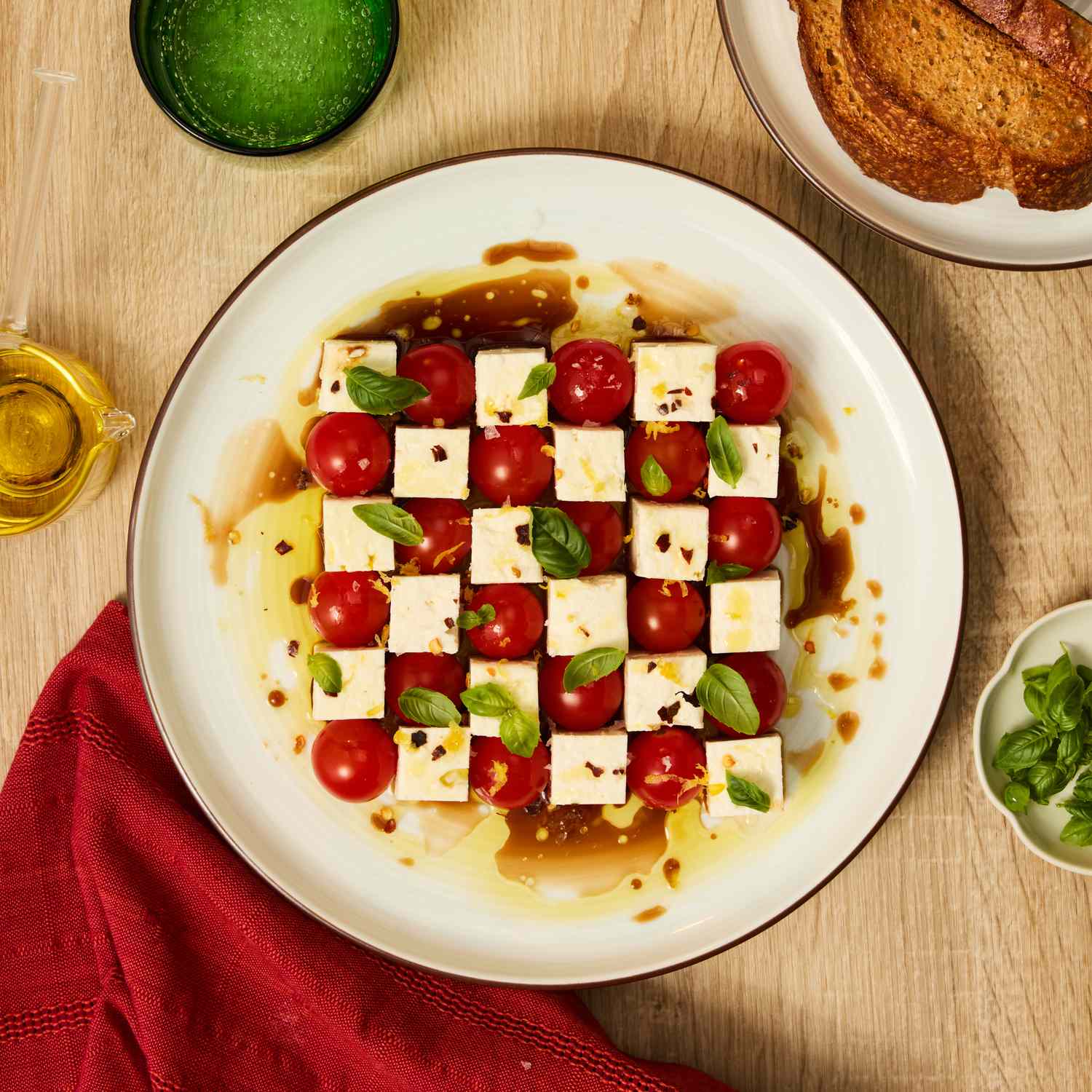
My go-to: Stuffed mushrooms with garlic-herb cheese. Food Network’s three-ingredient version uses soft cheese and panko breadcrumbs . You fill the caps, top with crumbs, and bake for 18 to 20 minutes. That’s enough time to pour drinks and take coats.
What I do differently: I add a small splash of Worcestershire to the cheese filling. It deepens the flavor. I also use cremini mushrooms, not white button. They hold up better and don’t get watery.
The limitation: These mushrooms are best straight from the oven. If they sit for more than fifteen minutes, the tops soften. Serve them as guests arrive, not after everyone is seated.
If you want something even simpler, mini bell peppers stuffed with cottage cheese and Parmesan take fifteen minutes and need no cooking at all. But those are cold. For a hot option, the mushrooms are your safest bet.
Step 3: Choose a Main That Cooks While You Eat the Appetizer
This is the core of smart timing. Your main course should be something that benefits from sitting in the oven or simmering on the stove while you’re actually talking to people.
You Must Also Like: Easy Clean Eating Finger Foods: 15 Quick Appetizers a Crowd Will Love?
Pasta bakes work. Braises work. Roast chicken works.
A make-ahead Italian feast approach recommends baked ziti with sausage because you assemble it up to two days ahead and just bake it when needed.
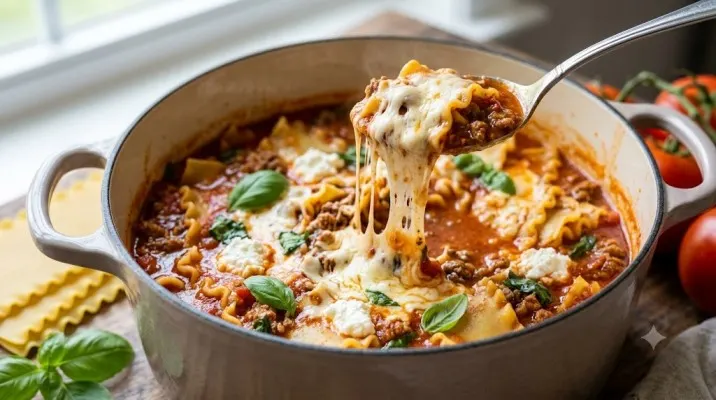
That’s practical. But baked pasta can feel heavy. If you want something that feels more like a “dinner party” without the work, a one-pot chicken and rice dish is your friend.
Allrecipes has a one-pot ginger chicken and rice that bakes in the oven for 25 minutes after a quick stovetop sear. You brown the chicken, add rice and broth, cover, and bake. The rice absorbs everything. The chicken stays moist.
My real observation: I’ve made this twice. The first time, I used chicken breasts because that’s what I had. They dried out. The second time, I used thighs, as the recipe specifies. Completely different result. Thighs forgive you. Breasts do not. If you’re hosting, use thighs.
The limitation: This dish needs the full baking time. Don’t try to rush it at a higher heat. The rice won’t cook evenly. Start it right after guests finish the appetizer, and it will be ready when you sit down.
Step 4: Make Dessert the Day Before (No Exceptions)
I have never regretted making dessert ahead. I have regretted every hot dessert I’ve attempted during a dinner party. Cold desserts are your best friend. A posset, a panna cotta, a mousse, a trifle. They sit in the fridge and wait for you.
A lemon posset takes about ten minutes of active work. You boil cream and sugar for three minutes, whisk in lemon juice, pour into glasses, and chill. That’s it. No eggs. No baking. No stress. The texture is like a dense pudding, and the lemon cuts through whatever richness came before.
If you want something slightly more involved but still make-ahead, a raspberry mousse from a chef’s date-night menu involves cooking raspberries, whisking egg whites over a double boiler, and folding in whipped cream . It’s elegant. It’s also completely done hours before guests arrive.
What I avoid: Pavlovas and soufflés. They look impressive on Instagram. They crack, collapse, or wait for no one. A pavlova needs to cool in the oven for an hour after baking. That’s oven time you might need for the main. Skip it.
Step 5: The Exact Timeline That Works
Here is the sequence I use. Adjust the times, but keep the order.
The day before: Make dessert. Chill it. Chop any vegetables for the main. Measure dry ingredients. Set the table if you have space.
Two hours before guests arrive: Take the appetizer components out of the fridge. Let the cream cheese soften if you’re making stuffed mushrooms. Pull the main course protein out to temper.
One hour before: Assemble the appetizer but don’t bake it yet. Put it on a baking sheet, covered, in the fridge. Set out your serving platters. Open the wine.
When the doorbell rings: Put the appetizer in the oven. Pour drinks. The mushrooms take 20 minutes. By the time everyone has a glass, they’re ready.
After the appetizer plates are cleared: Put the main in the oven or on the stove. This is the only “active cooking” window. If you chose a braise or a bake, you have 25 to 40 minutes to sit with your guests.
After the main:
Clear plates. Take dessert out of the fridge. Spoon it into glasses. You’re done. No baking. No whipping. No waiting.
Step 6: What to Do When Something Goes Wrong?
It will. I once dropped an entire tray of stuffed mushrooms on the kitchen floor ten minutes before guests arrived. I served cheese and crackers instead and laughed about it.
A professional planner told Martha Stewart that guests remember the experience, not whether every dish was perfect. If the appetizer burns, open a better bottle of wine. If the dessert doesn’t set, call it a “sauce” and serve it in bowls.
One more thing: check dietary restrictions before you shop. This sounds obvious. It isn’t. A guest who doesn’t eat pork will not touch your sausage-stuffed mushrooms.
A gluten-free friend can’t eat the breadcrumb topping. Ask when you send the invitation. It takes two minutes and saves awkwardness later.
The Final Thoughts
The step by step instructions from appetizer to dessert that actually work are not about complex recipes. They are about choosing dishes that respect your time.
A hot appetizer that bakes while guests arrive. A main that cooks while you eat. A dessert that waited in the fridge since yesterday. That’s the whole system. It’s not glamorous. It works.
FAQ's- About Appetizer Main Course Dessert
Can I make the appetizer ahead of time?
Yes, if it’s cold. Whipped feta, marinated olives, cucumber bites, and dips can all be made hours ahead. Hot appetizers should be assembled ahead but baked just before serving.
What’s the easiest main course for a dinner party?
A braise or a bake. Something that goes into one pot and finishes without your attention. Chicken thighs with rice, a sausage ragù with pasta, or a covered roast. Avoid anything that needs last-minute searing and plating.
Do I need a palate cleanser between courses?
Not for a casual dinner. Sorbet between courses is a restaurant technique. At home, it adds a dish to wash. Skip it unless you’re doing a very formal, very heavy menu.
How many appetizers per person?
Two to three bites per person if you’re serving a full main and dessert. More than that and people fill up before the food they actually came for.
Other Articles
Hot Chocolate with Superfoods